Wine rack for the dining room: wine within easy reach of guests
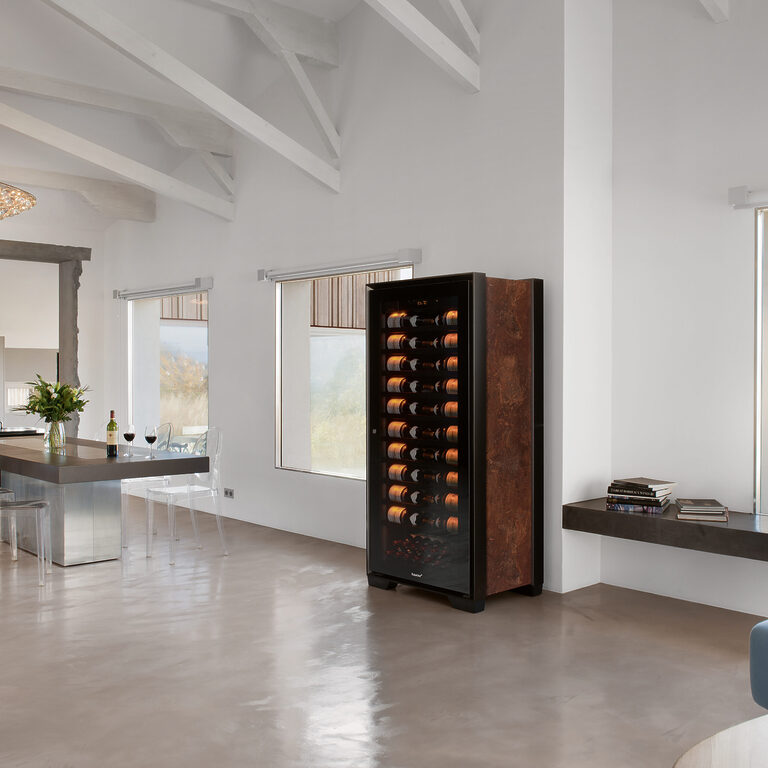
The dining room is the perfect setting for shared moments. It’s where tables are set, bottles are uncorked, and evenings with friends or family are enjoyed. Installing a wine cooler there means serving wine at the perfect temperature right at the heart of the experience—no more trips back and forth to the cellar, and no unpleasant surprises.
Why install a wine cooler in the dining room?
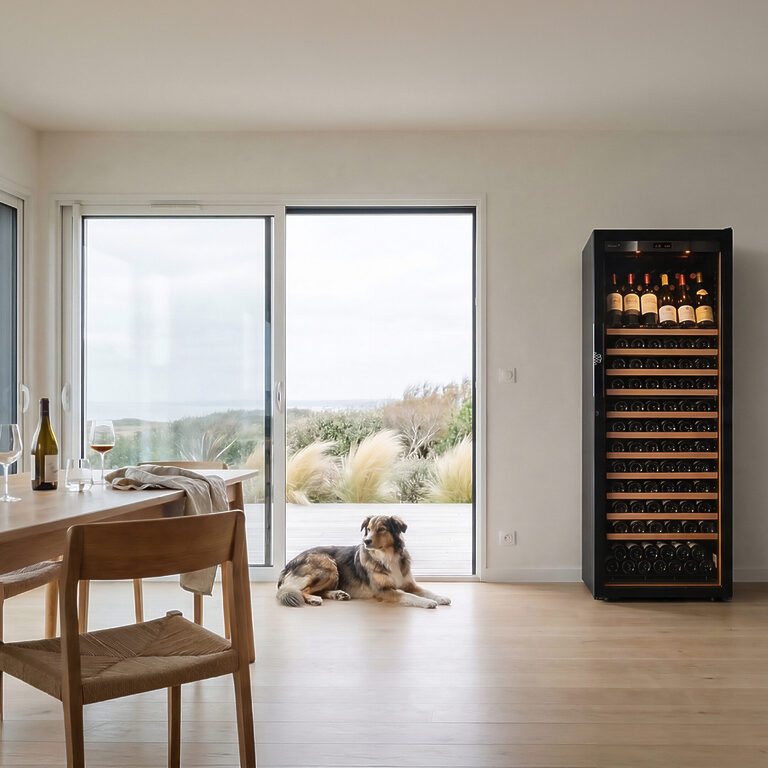
Our Swiss customers regularly mention three benefits to us.
- Immediate service: the wine is always at the right temperature, ready to be poured.
- The atmosphere: a wine cellar that opens onto the dining room adds to the pleasure of wine tasting and enhances the dining experience.
- Flexibility: In multi-temperature mode, you can serve a white wine at 8 °C, a rosé at 10 °C, and a red wine at 18 °C all at the same meal.
The Multi-Temperature Wine Dispenser: The Ideal Solution
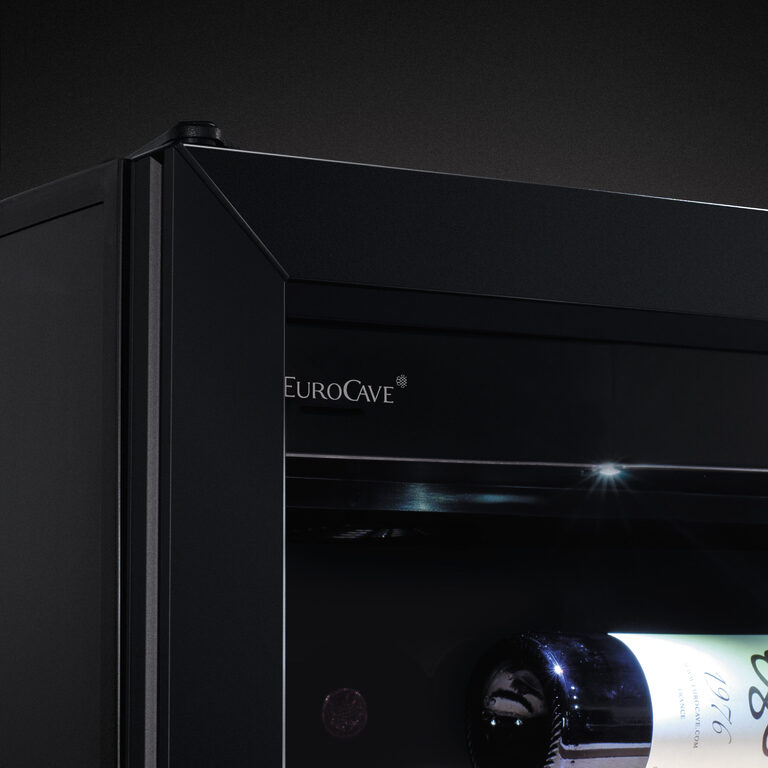
A wine service cellar allows you to store each wine at its ideal serving temperature.
The EuroCave Première, Pure, and Tête-à-Tête models are available in multi-temperature versions, with two separate zones:
- a cooler upper section for your reds
- and a cooler lower section for your white wines, champagnes, and rosés
- These two zones are connected by a gradual temperature gradient.
Each sliding shelf (available as an option) makes it easy to access bottles without disrupting the organization, which makes all the difference when you’re looking for a bottle in the middle of a dinner party.
Freestanding wine cooler or built-in wine cooler?
In a dining room, the choice depends on your design plan.
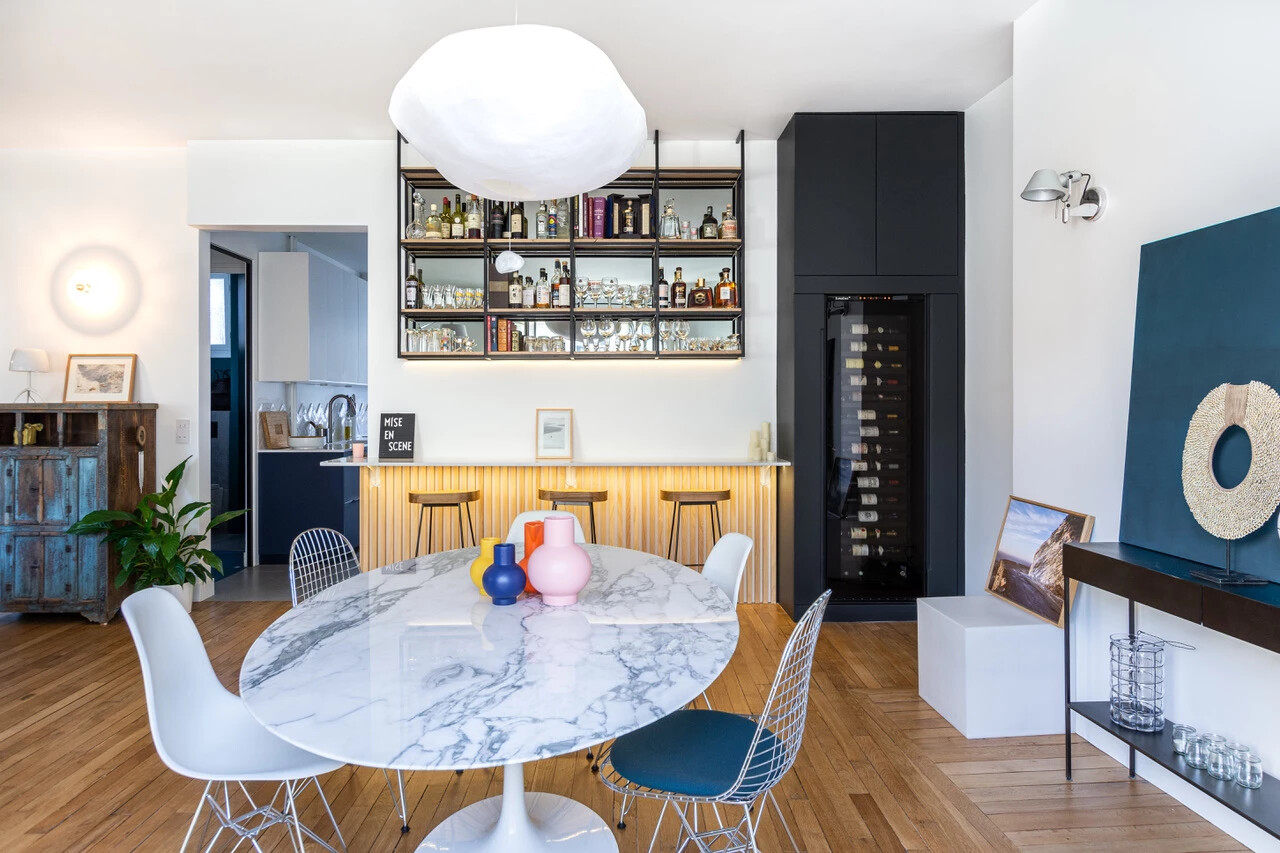
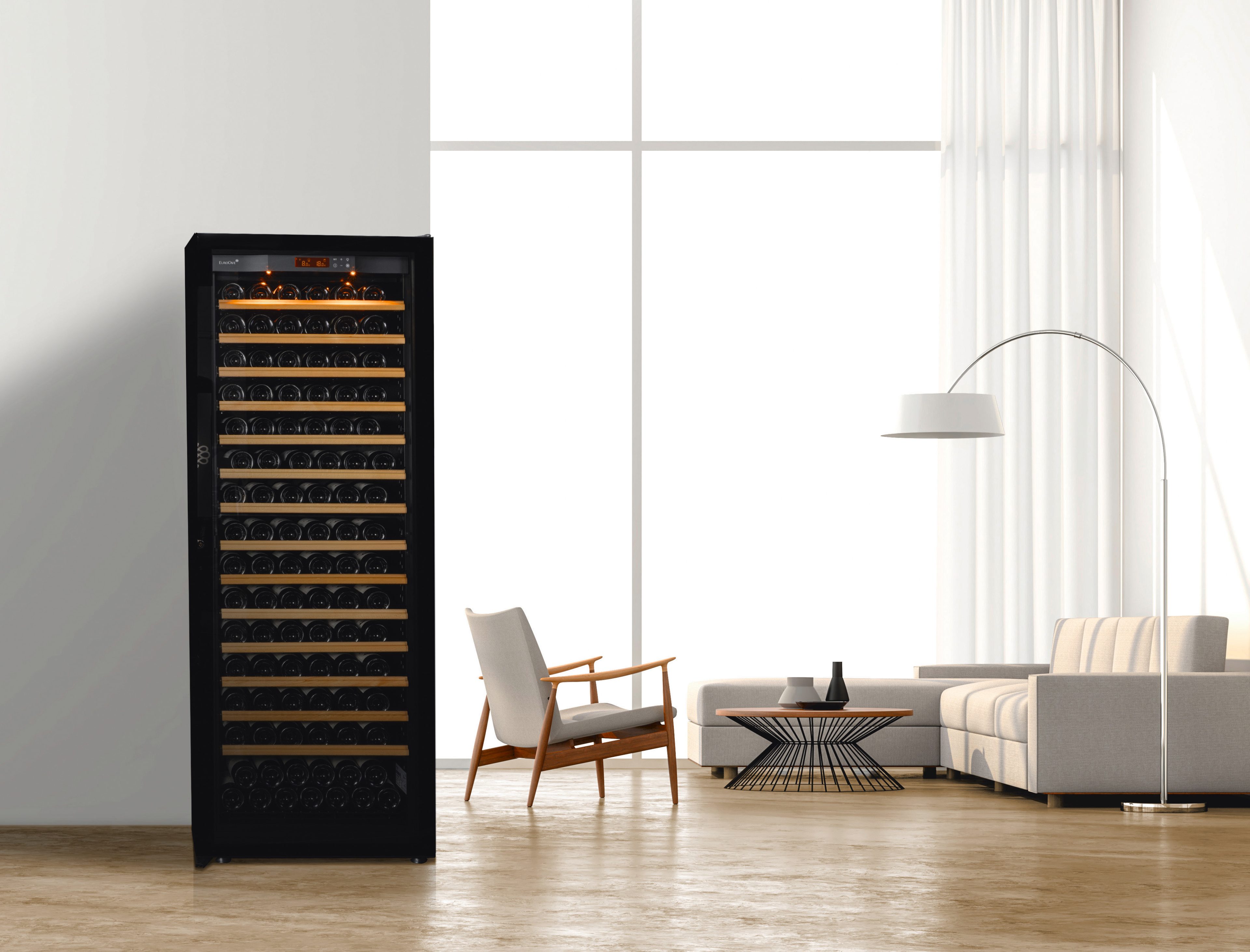
A freestanding wine cooler, such as the Royale line, blends in like a piece of furniture, can be moved, and offers the largest capacity—up to 124 bottles. It’s the ideal solution when you want a prominent, eye-catching piece in the room.
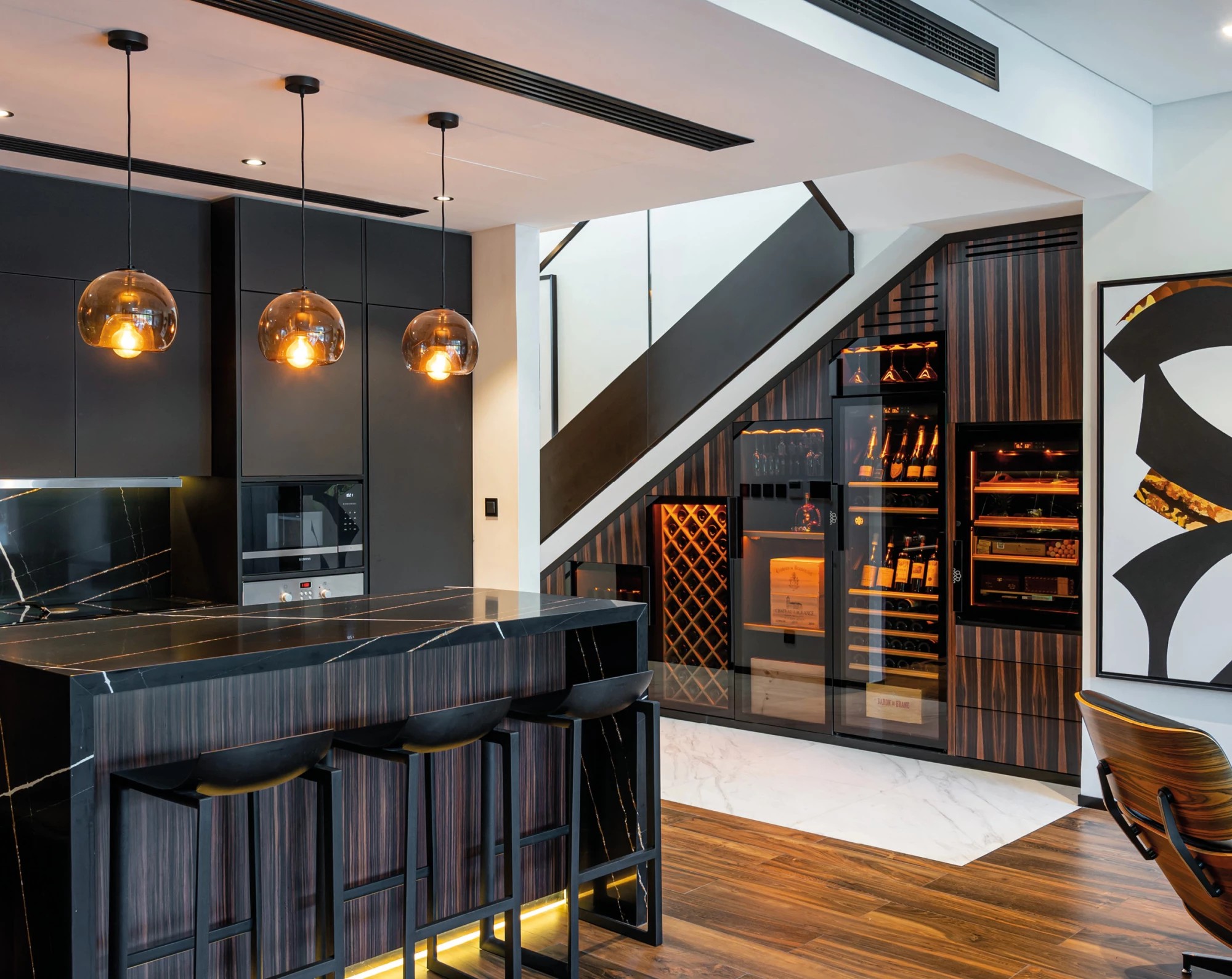
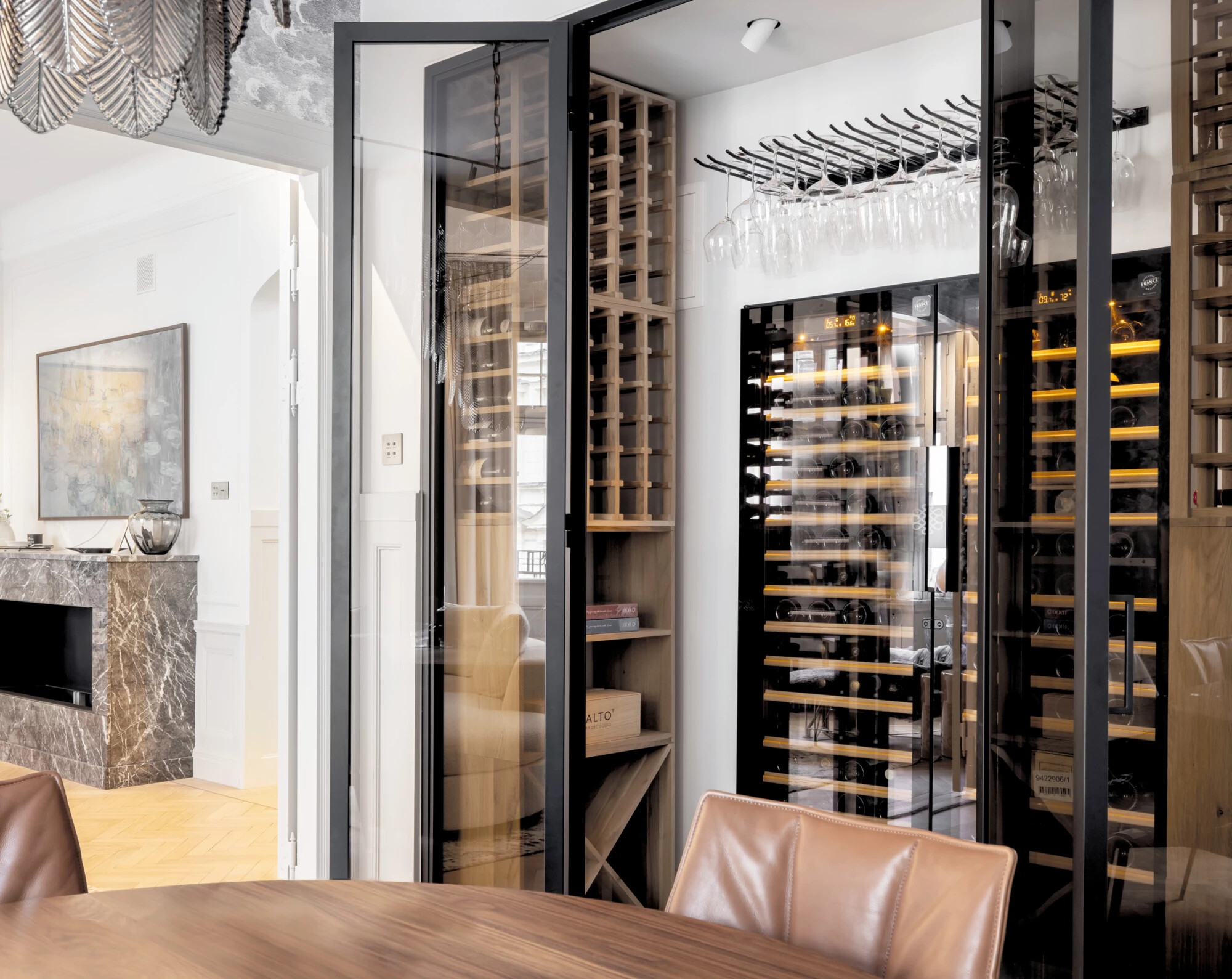
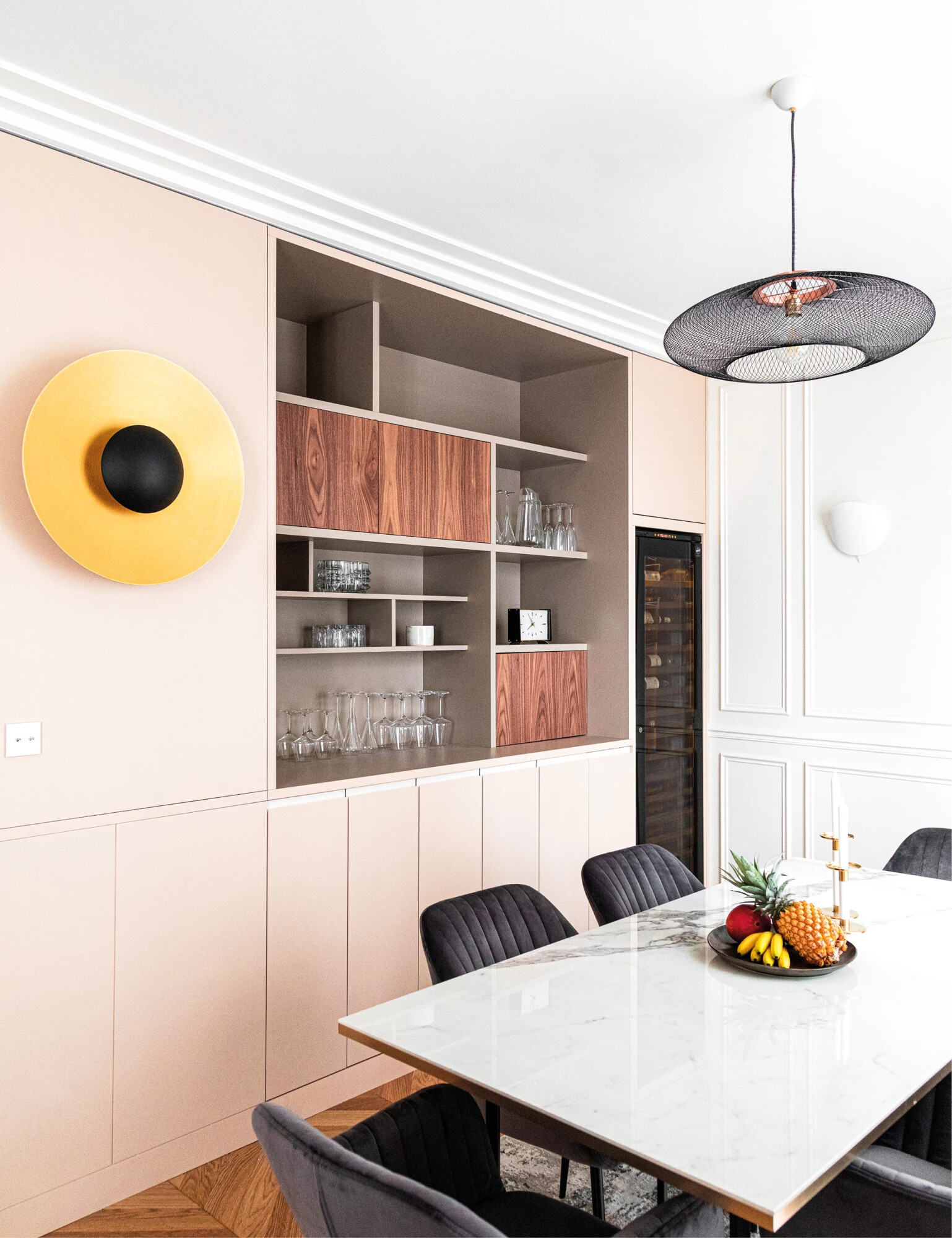
A wine cellar built into a sideboard, a custom bookcase, or a dedicated cabinet creates a “built-in” look that is highly prized in contemporary architecture. It blends seamlessly into the decor, leaving only the glass door and the bottles visible.
Attention to detail: aesthetics and quiet operation
In a room where people dine and converse, silence is essential. EuroCave wine coolers feature a Vibration Damper system and a quiet compressor designed for use in living spaces.
Design features: UV-protective glass, amber LED lighting, optional Black Piano or Stainless finishes, flush-mounted or integrated handles. The result looks like a piece of furniture, not an appliance.
Projects in Switzerland
Discover some projects completed in French-speaking Switzerland, installed as freestanding or built-in units according to our clients’ preferences.
Frequently Asked Questions
How many temperature zones should a wine cellar have?
It all depends on your wine-drinking preferences. A two-zone wine cooler is sufficient for serving white and red wines. A three-zone model allows you to serve white and red wines while dedicating an additional zone to aging.
What is the difference between a two-zone and a three-zone wine cooler?
A dual-zone wine cooler maintains two different temperatures simultaneously (for example, 8 °C for whites and 17 °C for reds). A triple-zone wine cooler adds a third, intermediate temperature setting, which is ideal for aging wine at the right temperature.
Can a wine cooler be built into a dining room sideboard?
Yes, provided that the installation requirements are met: front ventilation, a recess size compatible with the selected model, and a nearby power source. Our Designer team can assist you from the initial design phase to ensure a seamless integration.
What seating capacity should you plan for a dining room?
For everyday use, a wine cooler that holds 25 to 100 bottles meets most needs. For wine enthusiasts who often entertain or collect wine, the Pure, Première, and Revelation models offer a generous storage capacity of up to 220 bottles, eliminating the need to make frequent trips to the main wine cellar.
Do you need a special electrical outlet to install a wine cooler?
A standard 230 V outlet is sufficient for almost all household models. Just make sure it is a dedicated outlet that is easily accessible and is not connected to a heavily loaded circuit (dishwasher, induction cooktop).
Need personalized advice?
Our consultants are here to help you with all your projects:
—whether you’re choosing a wine cellar, planning the layout, integrating it into your space, or looking for a custom solution.